
About our Company
Therapists Cafe is a non-profit grassroots networking platform for our profession to be better connected, more empowered – , and more impactful societally, politically and even economically. Like a ‘therapists political thinktank’, maybe, or a therapists’ union (www.pcunion.org.uk). We aim to work together with other, similar initiatives.
Many colleagues find our profession inspiring, but find that private practice can feel a bit isolated and lonely. Also, there are many challenges facing our profession: working with government-, organisational- and accrediting-body policies, making decisions on career development, and, above all, navigating a chaotic and fragmented ‘market place’. In some workplaces, it can be a challenge to practice with integrity.
We decided to start Therapists Cafe to provide a space that supports therapists to develop our professional identity: that helps us meet, network and collaborate and that can advocate for our profession. Meetings will be in-person for different subjects and also online UK-wide. Meetings will provide informal support but also more practical skills-development.
This will also include a recurring, open-source ‘ethical business skills for therapists’ workshop – covering everything from private practice, marketing, non-profit business, for-profit business, fundraising, to business consulting, and writing and publishing, from a holistic, ‘depressive-position’- rather than neo-liberal perspective. We believe that if we collaborate more in this area, we can reach a whole new level of collective skills and develop better quality therapeutic products. This will serve us individually but also our profession collectively, as well as our clients. On this course, we also invite colleagues with inspiring business projects to present, if they want.
Our vision is for this to function as a ‘social franchise’, so colleagues can start their own meetings and groups, advertised through one platform.
This platform is currently at the ‘idea stage’. We are seeking to build this collaboratively – so, if you like our idea, please join us in developing it.
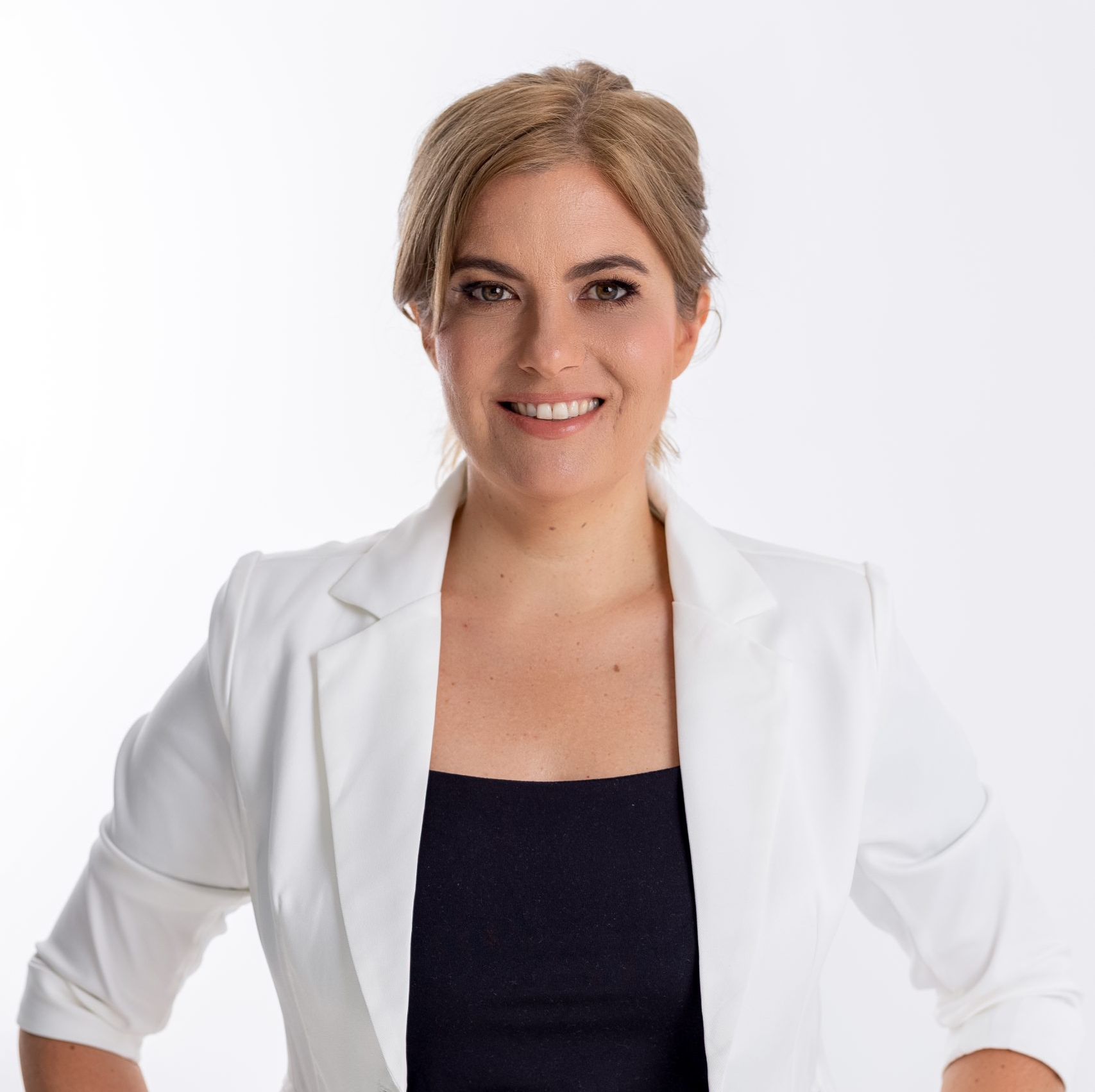
Dr Anna Herrmann
Founder, Director
I am a Counselling Psychologist and Integrative Psychotherapist working in the NHS and private practice (UKCP and HCPC – www.herrmannpsychotherapy.com).
Dr Anna Herrmann
My practice is integrative: it includes humanistic and existential approaches but uses psychodynamic and -analytic ideas as its main models – thereby thinking flexibly and critically. Whatever the approach, I think what matters most is the humanity and the heart that is in it. I am currently pursuing my own psychoanalysis for my personal and professional development. I also practice ZEN meditation.
I have substantial experience in statutory and non-statutory mental health service management and an interest in how psychotherapeutic approaches apply to ethical leadership and organisational culture. Before changing to psychology, I studied business and economics, and worked in organic food shops and on biodynamic farms. I care deeply about environmental protection and the development of ethical business chains and -products. I believed then that a more humane and responsible world is possible, and I still believe this now. I am a committee member of Reading Therapies Group (non-profit CPD for therapists), a member of the Climate Psychology Alliance and a member of the Integral UK discussion group.
I have founded Therapists.Cafe for three reasons. 1) For our profession: I love our profession and the many deeply empathic but also critically thinking colleagues. I am interested in the synergies that happen in groups where we become more than the sum of our parts. These factors can work integratively, allowing the group (and individual members) to grow into more insight and complexity, or destructively, causing stagnation or even dis-integration (e.g. regression, even a form of mass-psychosis like in WWII). I want to create a platform that facilitates positively integrative synergistic/growth-factors to enrich our field. 2) Politically: Like many of us, I am quite horrified by what is happening in the world. The general fragmentation, conflict, selfishness, heartlessness and inconsideration that is frequently allowed to happen on a large scale disturbs me. Being German, I have an apprehension towards being a passive bystander and have a need to contribute actively and positively somehow. Upon long reflection, I have decided that, professionally, an attempt at this contribution will be in creating a platform where we can consciously practice dialogical (intersubjective) and dialectical exchange. This is at the heart of our training: the art of conflict and exchange of ideas without annihilating another or falling apart. I think our profession has a huge contribution to make here. I am interested in theories of ego-development (e.g. Robert Kegan, Susanne Cook-Greuter) and I think our profession can contribute societally and politically in speaking clearly about what is a healthy, mature adult ego that contributes positively to society, and how we can facilitate its growth. 3) Self-interest: Therefore, on a more selfish note, I am creating a platform that will hopefully facilitate the above, and attract the types of colleagues who are interested in the same thing – and, therefore, whom I would like to meet and collaborate with.

Dr Phoenix-Rises Tabot-Ojong
Founding Associate
I am Dr. Phoenix-Rises Enow-Anyor-Morongho Tabot-Ojong, a Chartered Psychologist, Integrative Psychotherapist, Child & Family Social Work Consultant, Researcher, Yogi, Sound Healer, and the Founder & CEO of Voice of the Child UK National Charity.
Dr Phoenix-Rises Tabot-Ojong
I work experientially at the intersection of Psyche (Mind), Soma (Body), and Soul (Spirit), weaving together psychological depth, embodied practices, breath, and sacred rituals to create pathways of soul-deep healing, awakening, and wholeness. Rooted in Ubuntu philosophy, trauma-informed science, and ancestral wisdom, my work alchemizes psychological depth, movement, somatic and ancestral rituals into transformational journeys of self-discovery. My personal experience of marriage breakdown and single motherhood became a crucible of awakening, igniting a fascination with the hidden landscapes of the human psyche and the ways unconscious conflicts shape our relational lives. This led me to embark on a twelve-year heuristic inquiry alongside diverse groups of mothers navigating relationship breakdown and divorce, a journey that became both personal and collective transformation. Through this research, I have illuminated the unconscious intrapsychic processes that shape women’s experiences of love, loss, and self-reclamation. Central to these findings is the way women’s experience of sex and sexuality often emerges as a terrain of trauma re-enactment, an unconscious stage where buried wounds, internalized patriarchal narratives, and silenced desires are replayed in intimate spaces. My work reveals the universal struggles women face within invisible patriarchal contexts, where personal and systemic trauma, rooted in internalized ideals, interplay to silence authentic self-expression. Yet, within this darkness, grief rises as a catalyst for healing and a spiritual alchemy that transforms rupture into rebirth. My therapeutic and research practice extends to both women, men and families in recognition of our interconnectedness as part of a shared human consciousness where when one part of the whole suffers, the other is inevitably impacted. Neither gender is free from the entrapment of inherited systemic patriarchal wounding that shapes and binds us all in visible and invisible ways. I invite individuals to reclaim their inner sovereignty through embodied, experiential pathways of post-traumatic growth, awakening a more soulful, liberated, and authentic way of being both individually and collectively.
Stephen Gyllenhaal
Associate
I am a Hollywood film director and producer and now Identity Development facilitator and founder of the Identity Development Institute in L.A. I am also a proud father and grandfather.
Stephen Gyllenhaal
iD (formerly IoPT) is a self-development method developed by Professor Franz Ruppert, helping people to find who they truly are by resolving early bonding trauma.
For over 50 years I have pursued two careers: 1) as an award-winning director of over 60 films and TV shows, including Losing Isaiah, Waterland, Homegrown, Twin Peaks, Rectify, Billions and Bosch; 2) as a “professional patient,” trying to gain clarity about my own personal issues through some form of therapy, analysis or 12 Step Program, including Cognitive Behavioral, Adlerian, Attachment, Gestalt, Integrative, Jungian, Marriage and Family, Freudian and Kleinian Psychoanalysis, MPD (DID), Alanon, ACoA, SLAA and DA. All these approaches have helped me resolve particular problems and have contributed to my development.
When I encountered the iD method, I felt I had found a ‘home’ for my therapeutic journey, and I have since trained to facilitate it myself. I hold a Master’s Degree in Marriage and Family Therapy and see myself as a fellow traveller with whomever shares the iD process with me. I have felt incredibly privileged to be able to access different kinds of therapeutic support and I am committed to making therapy more available to people, no matter their financial circumstances.
I am contributing to Therapists.Cafe to support a community project for therapists to support each other and exchange ideas from different perspectives. I am supporting the therapists’ writing group to help therapists develop their creative potential.
I am also currently working on a documentary on the phenomenon of ‘resonance’ between people, what attracts us to each other and how we can interact to develop towards forms of collective ‘healthy self’.
These groups are for therapists only. Therapeutic qualification and registration with a UK accrediting body (UKCP, BACP, HCPC, BABCP, analytic institutes etc) will need to be verified upon booking.
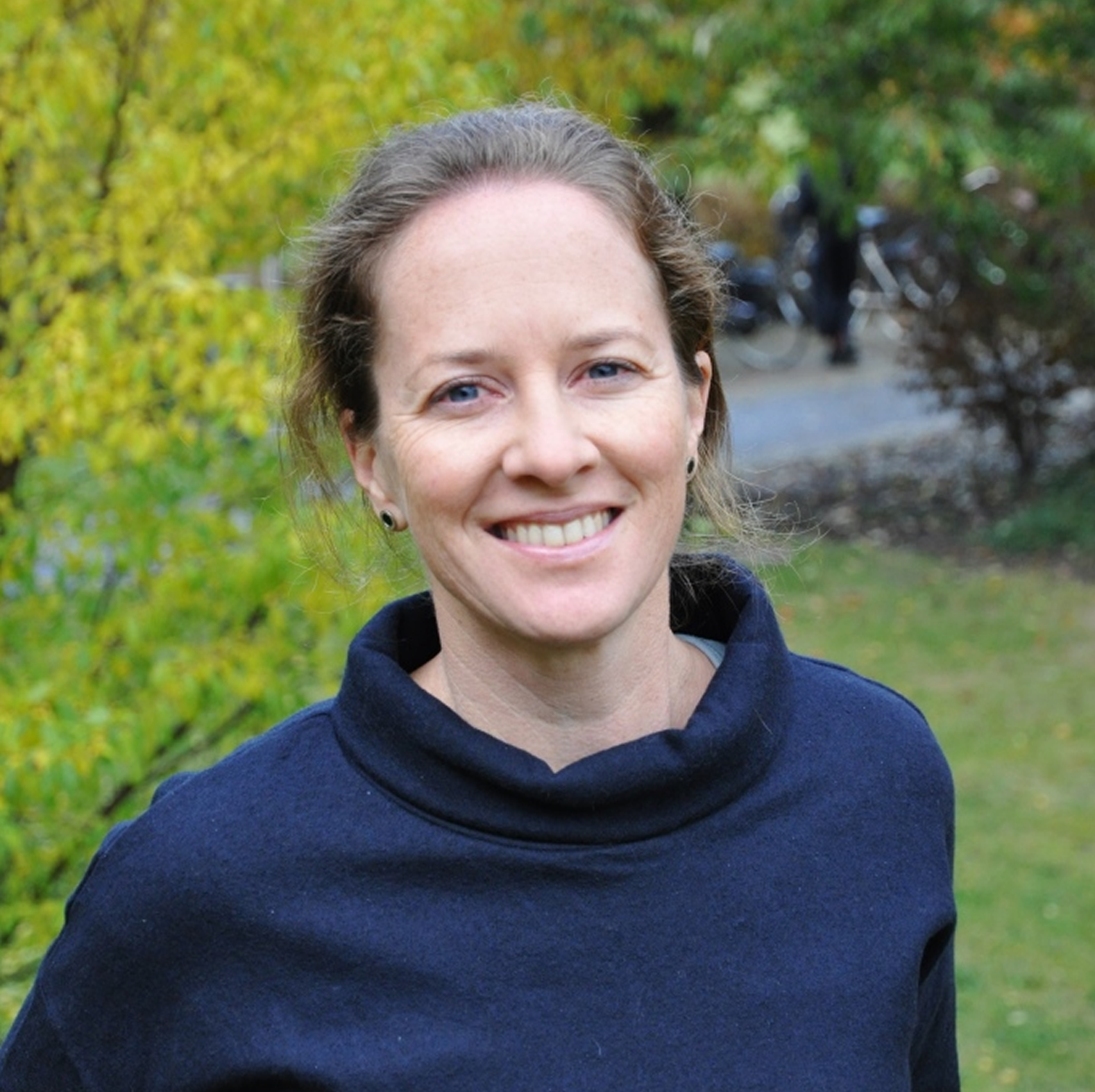
Associate Professor Sigrid Stjernswaerd
Associate
I am an Associate Professor and senior lecturer at the Department of Health Sciences, Medical Faculty, Lund University, Sweden. My research areas are mental health and related interventions, the client’s experience of therapy,
Associate Prof Sigrid Stjernswaerd
family support, mindfulness and compassion, and mental health and social media.
My early research focused on the development of web-based support for families living with mental and/or somatic illness and the monitoring of physical, mental and oral health in persons with psychosis living within subsidized housing. Several projects were carried out within the Centre of Evidence-Based Psychosocial Intervention’s (CEPI) activities, including projects on stigma, suicide prevention, and a mental health first aid program. I also contributed to research on social media and the COVID-19 pandemic from different perspectives.
Recent research focuses on psychotrauma and therapeutic interventions, and the understanding of trauma from different disciplinary perspectives. As a part of this, I pursued an education in Identity oriented psychotrauma therapy (IoPT) developed by Professor Ruppert. In recent years, I completed a degree in expressive arts for therapeutic and developmental purposes. I also carried out an autoethnographic study on the use of creative art diaries as a tool to develop generic therapeutic competence. I am thus interested in intersection areas where disciplinary perspectives meet and the idea of exploring the complementarity of bottom-up and top-down interventions.
I am keen to support Therapists.cafe as a community project for therapists as I value multi-disciplinary and multi-perspectival approaches in the therapeutic profession – I want to support the research element of the project, evaluating how it could contribute positively to the profession.
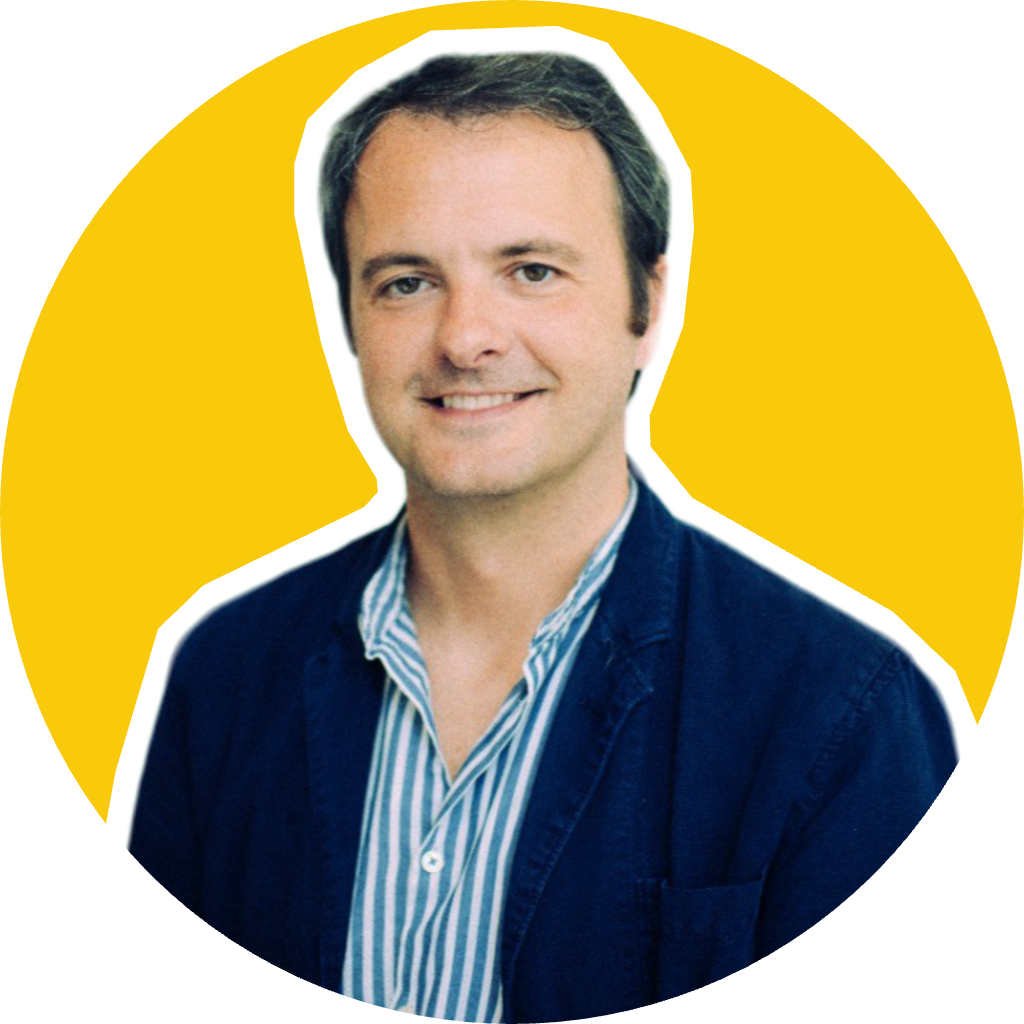
Stefano
The Volunteer
Hi, I’m Stefano. I spend most of my time in the corporate world, working in commercial operations and legal strategy within high-growth tech companies. Qualifications, MBA.
Stefano
But outside of that, I’ve recently started diving into something that’s always fascinated me on a more personal level — psychology. I’ve recently started my own therapy and find it hugely insightful.
I’m volunteering with this amazing new venture because I love the idea of creating a space where people passionate about psychology and therapy can come together, share ideas, and explore different perspectives. It’s a refreshing shift from my day-to-day and lets me engage with something more reflective, human, and emotionally rich.
This journey is helping me complement my structured, analytical work life with something that speaks to curiosity, self-awareness, and personal growth. I’m still at the beginning of it, but it already feels like an exciting and meaningful parallel path.
My work for Therapists.Cafe involves administrative help and advice on legal issues and business strategy.
But also, I am interested in meeting likeminded people:
If you are a corporate professional interested in psychology and therapy, I would love to hear from you – maybe we can form our own little peer-support meeting.
Dr Jim Cowan
Psychotherapist MBACP
Hi,
I am Jim.
Dr Jim Cowan
Practically, I have spent nearly 40 years in community development, with residents of housing estates, around family- and disability support, and with institutional racism. In my personal life, I have continuously worked on becoming more conscious through self-reflection, dialogue and contemplative practice – I’ve been practicing a socially engaged form of Buddhism for over 40 years. I am interested in integral theories of consciousness development, for example, by Ken Wilber.
Since 2012 I have been meticulously researching what has been, and is, happening across Britain on a socio-political level through many different theoretical lenses. This research resulted in the publication of ‘The Britian Potential’ (2019) which has a focus on the enormous creativity happening in the UK`s civil society. It examines the unique ways of how people respond to the demands on them in their work lives, in their families, and in so many dimensions of life.
I am currently working on a forthcoming book with the content of x.
I am supporting Therapists Cafe to find their way to develop a sound, thriving platform for social networking for therapist driven by ethicality, integrity and creativity. I am happy to contribute some tried and tested insights befitting community work in our times and its manifold challenges, from a professional as well as personal perspective.
Julia Reiber
Business Development Mentor
Hi, I am Julia. I have an undergraduate and postgraduate degree in Economics & Business Studies and over 20 years of experience in corporate sales & marketing and customer relations management.
Mentor
I have also run various of my own successful sales businesses for the past 15 years.
I am currently developing my model of business consulting in order to help use my own experience to help other entrepreneurs. I provide consultancy to Therapists Cafe on business strategy and implementation.
We are currently looking for other mentors in the field of ethical business development, particularly in the world of therapy or community development. If you feel that you would like to contribute to this project, please be in touch.

You?
Associate
We are seeking experienced psychotherapists who would like to get involved in building our project – for example, leading or co-leading on one of our cafes. If you’re interested, please get in touch! 🙂
You?
Leon Berry
MSc MBACP Reg. Psychotherapist - EDI Consultant
Hi, I am Leon.
I hold qualifications in Integrative Psychodynamic Therapy, Systemic Therapy and an MSc in Psychiatric Therapies and Interventions, as well as in mentoring and coaching. I am an EDI consultant for Therapists Cafe, helping them provide an inclusive environment where Therapists of all backgrounds feel welcome.
Leon
I am a BACP accredited counsellor, integrative psychotherapist and systemic practitioner with over 15 years of experience supporting individuals, families and groups across therapeutic and community settings.
I run a private practice through A Safe Place 2 Talk and work from person-centred, psychodynamic and systemic principles. Additionally, I am an approved foster carer and experienced group facilitator, bringing extensive experience in creating safe, reflective and supportive spaces for people from diverse backgrounds.
Alongside my private practice, I provide organisational consulting on staff wellbeing, intersectionality and best practice in equality, diversity and inclusion programs. For example, I have worked with Avanti West Coast Trainlines, running workshops on wellbeing and recognising differences and burnout, with Iceland Foods Plc, giving psychoeducation to managers and area managers and for the Home Office, holding a therapeutic space for multi-generational family members affected by the Windrush Scandal. I also work for Croydon BME, Rooted in Care, a project that focuses on culturally informed counselling that recognises the unique challenges faced by the community, addressing systemic barriers, tackling stigma, discrimination and language barriers, while responding to socio-economic challenges.
I bring authenticity, insight and illumination to my EDI consultancy work, drawing on both lived experience as a Black man and extensive professional practice across employment, counselling, mentoring and training settings. My background spans working with children, young people, adults and professionals from diverse communities and cultures, giving me a deep rooted understanding of the realities people face within systems, workplaces and the wider society.
Through my own lived experience and professional work across therapeutic, educational and community environments, I have developed a deep awareness of inclusion, belonging, identity and the barriers that can impact individuals and teams. I combine reflective practice with practical strategies that support meaningful conversation and lasting change. My approach creates spaces where people feel heard, valued, and empowered to engage openly. I bring professional knowledge and human connection, helping organisations move beyond compliance towards authentic, compassionate and impactful EDI practice.
I firmly believe that, as company executives, if you don’t make time for yourself and the wellness of your staff, you will be forced to make time for their illness later, or pay the cost in lost talent and potential. My experience is that the effort invested in ‘challenging conversatons’ pays off in terms of quality of work-culture, productivity and results many times over.
I consult for Therapists Cafe on creating an inclusive environment where colleagues from all racial and cultural backgrounds feel welcome – as, sadly, this has not always been my own experience during my training and in the community with colleagues.
I offer a bespoke, therapy-inclusive service that is designed for diverse staff, students and volunteers. My service is confidential and flexible to accommodate shift patterns and time zones and can also be delivered online.
Psychotherapist MBACP
Business Development Mentor
Mentor
You?
Associate
We are seeking experienced psychotherapists who would like to get involved in building our project – for example, leading or co-leading on one of our cafes. If you’re interested, please get in touch! 🙂
You?

Our Philosophical Background
Our therapeutic position is pluralistic and integrative.
Pluralistic: we think that all psychological frames of reference have a ‘part of the truth’ to contribute, and, together, these parts form a fuller picture.
Integrative: is about trying to think about how the ‘parts’ fit together – so, like pieces of a puzzle, they are not merely separate aspects, but can be organised into a ‘bigger picture’ (e.g. Gilbert & Orlans (2012) Integrative Therapy 100 key points).
This ‘integrative thinking’ is in itself pluralistic and integrative: there will be many different ‘bigger pictures’, and some will be more comprehensive than others. The spirit of this thinking, for us, is dialectical: it takes one perspective, an opposing perspective, and then appreciates the function of a ‘reflective third’ – and is thus able to differentiate and synthesize individual perspectives into more holistic ‘truths’. Part of this is a commitment to research and scientific evaluation of ideas.
We think that this process overall is ongoing, and that no ‘truth’, or ‘bigger picture’ is ever final.
Image: Elmer the Elephant, used here for educational purposes, we hope that is ok. It is to reflect the mystical parable of the ‘six blind men describing an Elephant’ which is often used in our field to explain multi-perspectivism. It is made more significant by Elmer himself, in the story, being a complex subject that stands out from the herd.
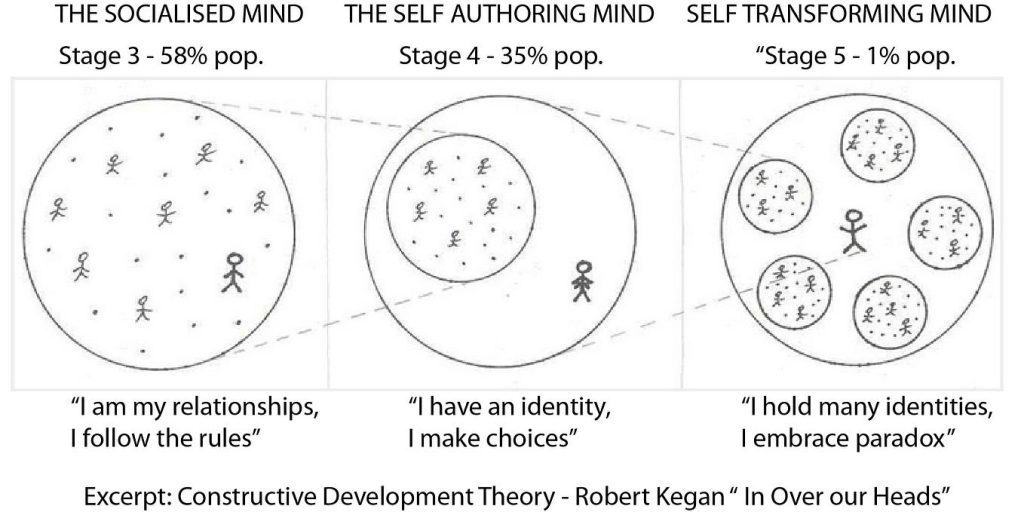
Developmental Psychology – Ego Development
An image for this type of thinking comes from developmental psychology, where different developmental stages are characterised by different forms of ego functioning (helpful sources here by Prof Robert Kegan, a key figure in this field https://www.youtube.com/watch?v=bhRNMj6UNYY and Susanne Cook-Greuter, http://onesystemonevoice.com/resources/Cook-Greuter+9+levels+paper+new+1.1$2714+97p$5B1$5D.pdf). See also Michael Commons and the Model of Hierarchical Complexity (MHC).
A central aspect of more advanced ego-functioning is the ability to ‘hold’ increasing complexity, both inside oneself and in relation to others.
In Kegan’s terms, our aim is to create a platform that allows ‘self-authoring and self-transcending minds’ – individually, but also collectively in how we engage with each other’s perspectives.
Other theories that inspire this thinking are Metamordernism (for example, Hanzi Freinacht’s The Listening Society) and Integral Theory (for example, Ken Wilber’s A Brief History of Everything).
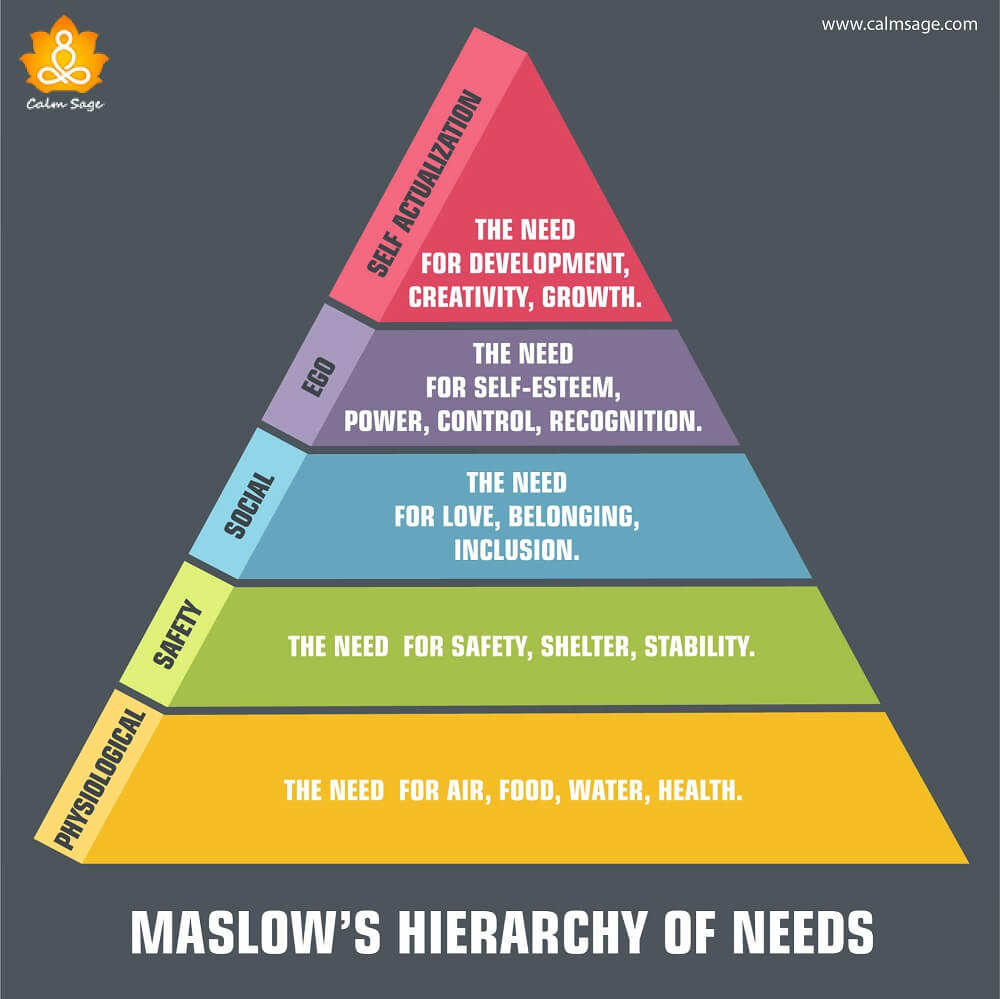
Our field in context
We view the individual person as holistically embedded in our wider socio-economic-cultural-historical field. ‘Mental health’ is not something located in an individual in an isolated way, but is influenced and partly determined by the above factors. This means that, if we want to facilitate good mental health on a broad societal scale, all of these factors need to be considered and addressed.
A helpful concept is Maslow’s ‘Hierarchy of Needs’ – for example, if someone has nothing to eat or nowhere to live (basic need level 1 and 2), they won’t have energy for self-reflection and to make meaningful changes in their lives and relationships. Or, if an individual occupies a structurally disadvantaged position in society (e.g. in relation to race, gender, class, sexuality, culture, disability, etc), then the pressures they are facing in ‘real life’ will significantly shape them and continue to influence their experience and actual opportunities.
Because our model views society as interconnected, we think that what holds one of us back, holds all of us back – collectively. Healthy systems work for everyone in them, not just a selected few.
Comprehensive and helpful literature and research about this to be found, for example, here: https://www.centreformentalhealth.org.uk/ and Gary’s Economics’ view on mental health and economic factors here https://www.youtube.com/watch?v=L5QyBl85u1I and a comprehensive, meta-modern philosophical review in Hanzi Freinacht’s (2017) book The Listening Society.
We see an important contribution to be made here by our field, and by therapists in particular. Our training equips us with skills for rigorous critical thinking (see above re development of reflective ego). We can thus help to come up with ‘outside the box’ thinking and innovative solutions for change. For example, in the world of business, see Kegan’s Deliberately Developmental Organisation (https://www.gse.harvard.edu/ideas/news/14/04/deliberately-developmental-organizations).
We therefore seek to work together with other organisations and individuals in the mental health and business world who are working towards similar goals.

Inspiration and Partners
Therapists Cafe is inspired by many ideas, people and projects. This list is not exhaustive.
BAATN – The Black, African and Asian Therapy Network – brilliant political therapists networking initiative addressing the inequality inequality of access to appropriate psychological services for Black, African, Asian and Caribbean people – www.baatn.org.uk
Berlin Hub for Regenerative Business – A hub that streamlines the emergence of regenerative businesses and the transformation of existing businesses to become regenerative. (1) Post | Feed | LinkedIn
Climate Psychology Alliance – non-profit organisation facilitating conversation about climate change – www.climatepsychologyalliance.com
Death Cafe – non-profit organisation providing meeting spaces to discuss everything about the subject of death in a social franchise format – www.deathcafe.com
Ecosend – our environmentally and ethically conscious mailing platform – www.ecosend.io
Gary’s Economics – Gary Stephenson – economic activist educating about the social and mental health problems created by societal inquality – https://en.wikipedia.org/wiki/Gary_Stevenson_(campaigner)
Good Leadership Society – www.leadershipsociety.world – https://www.linkedin.com/in/ottivogt/
Hanzi Freihnacht – pseudonym for several social scientists writing about Metamodern Theory
Humanitix – tickets for good, not greed. Profit-for-purpose company. Our ticket provider. www.humanitix.com
Integral Theory – e.g. Ken Wilber – www.integrallife.com
Prof Joseph Stiglitz – author of The Price of Inequality – https://en.wikipedia.org/wiki/Joseph_Stiglitz
Karma Kapital – ethical investment firm promoting regenerative business and steward ownership www.karma-kapital.com
Neue Narrative – non-profit organisation for the development of future oriented business models www.neuenarrative.de
Proton Mail – grassroots funded, non-profit owned email platform – our email provider – www.protonmail.com
Prof Robert Kegan – stages of adult ego development – Dr. Robert Kegan – The Developmental Edge
Psychotherapy and Counselling Union – https://pcunion.org.uk/
Tablehurst Farm – biodynamic training farm, community education project and anthroposophic care home – www.tablehurstfarm.org.uk
Unity Trust Bank – award-winning ethical impact banking – our business banking provider. www.unity.co.uk